Voltra
How much protein is in an egg?
A large egg (50 g) has about 6.3 g of protein and 72 kcal, from USDA's 12.6 g of protein and 143 kcal per 100 g (calculated) [1]. About 3.6 g of the protein is in the white and 2.7 g in the yolk [1]. Cook it: in a small study, people absorbed about 91% of cooked egg protein but only 51% of raw [2].
Protein by egg size
| Egg size | Weight (g) | Protein (g) | kcal |
|---|---|---|---|
| Small | 38 | 4.8 | 54 |
| Medium | 44 | 5.5 | 63 |
| Large | 50 | 6.3 | 72 |
| Extra large | 56 | 7.0 | 80 |
| Jumbo | 63 | 7.9 | 90 |
USDA's weights for each size and its raw whole-egg values [1]; protein and calories calculated. Check the size on your carton.
White or yolk
| One large egg | Protein (g) | kcal | Cholesterol (mg) |
|---|---|---|---|
| White (33 g) FDC | 3.6 | 17 | 0 |
| Yolk (17 g) FDC | 2.7 | 55 | 184 |
| Whole egg (50 g) FDC | 6.3 | 72 | 186 |
USDA FoodData Central [1], calculated for USDA's large white (33 g) and yolk (17 g).
The yolk carries about 43% of the protein, nearly all the fat and cholesterol, and nearly all the vitamin D and choline (calculated) [1]. Whites alone are lean: three large whites give about 11 g of protein for 51 kcal (calculated).
Boiled, fried or scrambled
| One large egg, cooked | Weight (g) | Protein (g) | kcal |
|---|---|---|---|
| Raw FDC | 50 | 6.3 | 72 |
| Hard-boiled FDC | 50 | 6.3 | 78 |
| Poached FDC | 50 | 6.3 | 72 |
| Fried FDC | 46 | 6.3 | 90 |
| Scrambled, with milk and fat FDC | 61 | 6.1 | 91 |
USDA FoodData Central [1], calculated for the weight USDA gives one large egg cooked each way.
Cooking barely changes the protein. Frying and scrambling add the fat you cook with, and USDA's scrambled egg includes milk: a fried egg comes to 90 kcal against 72 for a poached one (calculated).
Why not raw
- Less protein absorbed. In five people with an ileostomy, 90.9% of cooked egg protein was digested against 51.3% of raw [2]. The study was small, but the gap is large.
- It blocks biotin. Avidin, a protein in raw egg white, binds biotin and stops it being absorbed; cooking denatures it [3].
- Food safety. Kuwait's dietary guidelines say to avoid unpasteurised fresh milk and raw eggs [4].
How many eggs a day?
The American Heart Association's 2019 advisory on dietary cholesterol says: "Healthy individuals can include up to a whole egg or equivalent daily." [6] It adds that older people with normal cholesterol can have up to 2 eggs a day within a heart-healthy diet, that lacto-ovo vegetarians may include more, and that people with abnormal blood lipids, especially with diabetes or at risk of heart failure, should be cautious with cholesterol-rich foods [6].
The reasoning: in the studies it reviewed, egg intake was generally not significantly associated with heart disease, but yolks are high in cholesterol, so it advises keeping intake at current levels [6]. A large egg has about 186 mg, nearly all in the yolk [1] [6].
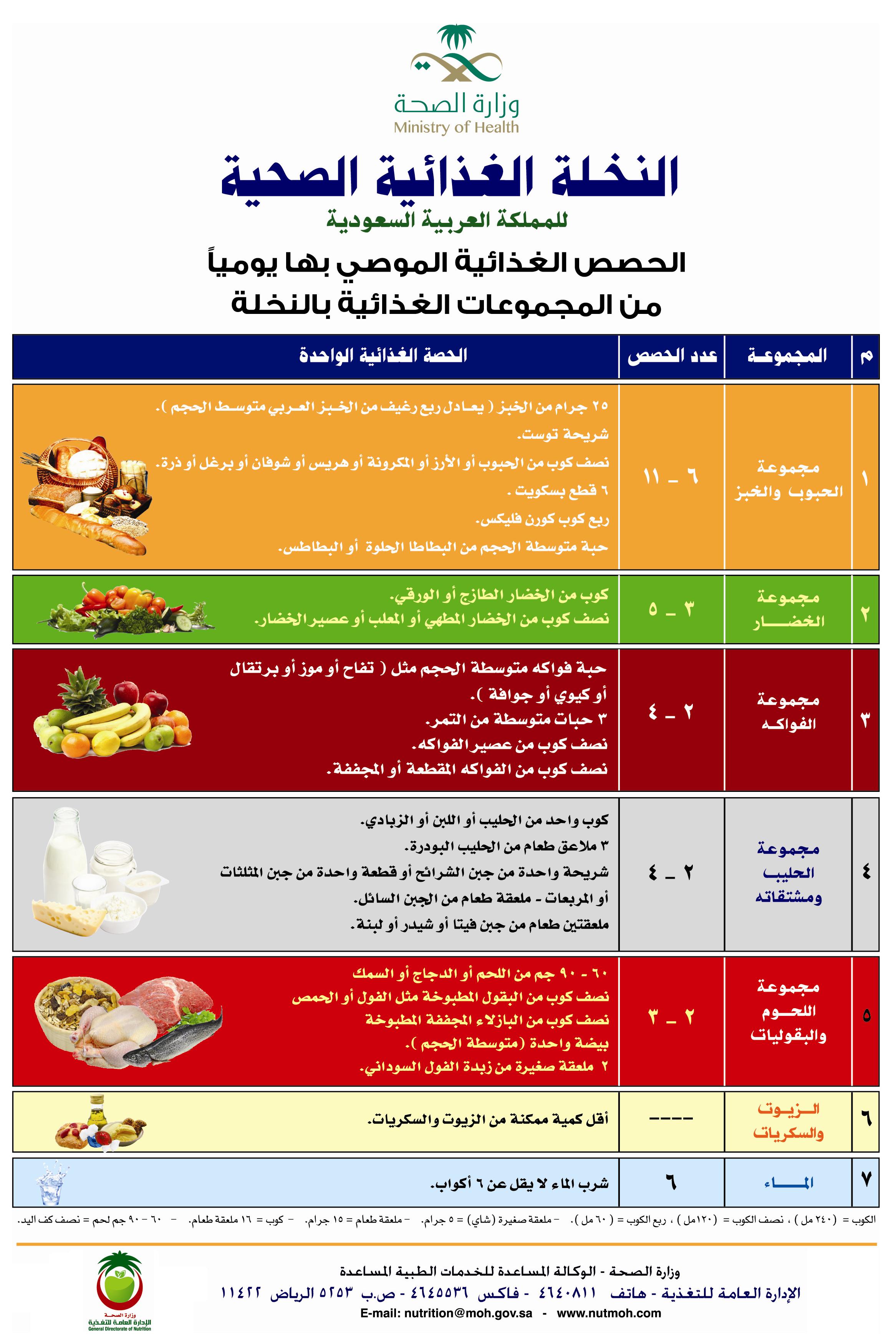
Saudi Arabia's Healthy Food Palm counts one medium egg as a serving from the meat and legumes group, which it puts at 2 to 3 servings a day [5].
In Voltra
Eggs is the first quick-add suggestion in the Eat tab's search. Voltra's built-in whole egg uses USDA's raw values, 143 kcal and 12.6 g of protein per 100 g, with a 50 g serving, one large egg; the egg white entry has a 30 g serving. Our high-protein foods list compares eggs with chicken, fish and dairy.
Frequently asked
How much protein is in one egg?
About 6.3 g in a large egg (50 g), 5.5 g in a medium and 7.0 g in an extra large, from USDA values.
Is the protein in the white or the yolk?
Both: about 3.6 g in the white and 2.7 g in the yolk of a large egg.
Are raw eggs better for protein?
No. In a small study, people absorbed about 91% of cooked egg protein and 51% of raw. Raw egg white also blocks biotin, and Kuwait's dietary guidelines say to avoid raw eggs.
How many eggs can I eat a day?
The American Heart Association says healthy people can include up to a whole egg a day, and older people with normal cholesterol up to 2, within a heart-healthy diet. If you have abnormal blood lipids, diabetes or a risk of heart failure, it advises caution with cholesterol-rich foods.
Sources
- U.S. Department of Agriculture, Agricultural Research Service (2019). FoodData Central, SR Legacy: egg, whole, raw, fresh (171287), and related egg records. Also 172183 (white), 172184 (yolk), 173424 (hard-boiled), 172186 (poached), 173423 (fried) and 172187 (scrambled).
- Evenepoel P, Geypens B, Luypaerts A, Hiele M, Ghoos Y, Rutgeerts P (1998). Digestibility of cooked and raw egg protein in humans as assessed by stable isotope techniques. J Nutr 128(10):1716–22. Abstract. Five people with an ileostomy.
- NIH Office of Dietary Supplements (2022). Biotin: fact sheet for health professionals. Sources of biotin: food.
- الهيئة العامة للغذاء والتغذية، الكويت (٢٠٢٣). دليل الكويت الإرشادي للنُّظم الغذائية. In Arabic. Printed page 32.
- وزارة الصحة، المملكة العربية السعودية، الإدارة العامة للتغذية (٢٠١٢). جدول الحصص الغذائية (النخلة الغذائية الصحية). In Arabic. The Healthy Food Palm servings table.
- Carson JAS, Lichtenstein AH, Anderson CAM, et al.; American Heart Association (2020). Dietary cholesterol and cardiovascular risk: a science advisory from the American Heart Association. Circulation 141(3):e39–e53. Suggestions for clinical practice and consumers.
Sources checked on 30 September 2026.
Log your food and training with Voltra. Free to download; the yearly plan starts with a 7-day free trial. Works fully in English and Arabic.