Voltra
Chicken breast: protein and calories, raw and cooked
Per 100 g, raw skinless chicken breast has 22.5 g of protein and 120 kcal; roasted breast meat has 31.0 g of protein and 165 kcal [1]. The cooked figure is higher because roasting drives out water: USDA's cooking-yield table puts roasted chicken breast at 72% of its raw weight [2], so the protein in the piece barely changes.
Raw and roasted, per 100 g
| Per 100 g | Raw, skinless FDC | Roasted, skinless FDC |
|---|---|---|
| Calories | 120 | 165 |
| Protein (g) | 22.5 | 31.0 |
| Fat (g) | 2.6 | 3.6 |
| Saturated fat (g) | 0.6 | 1.0 |
| Cholesterol (mg) | 73 | 85 |
| Sodium (mg) | 45 | 74 |
| Protein per 100 kcal (g, calculated) | 18.8 | 18.8 |
USDA FoodData Central, SR Legacy [1]. Per calorie the two are the same: about 19 g of protein per 100 kcal (calculated).
Raw or cooked: which weight to log
Log the weight in the same state as the entry you pick: raw weight with raw values, cooked weight with cooked values. 200 g of raw breast is about 144 g once roasted, at USDA's 72% yield, and both hold about 45 g of protein (calculated).
The common mistake is weighing chicken after cooking and logging it as raw. 200 g of roasted breast logged as raw reads 45 g of protein and 240 kcal; the real figure is about 62 g and 330 kcal (calculated). The reverse, raw weight logged as cooked, overcounts by the same amount.
The yield varies: USDA's figures for roasted breast run from 61% to 82%, and simmered breast averages 77% (70% to 88%) [2]. If you cook a batch for the week, weigh it raw and cooked once and divide the cooked weight by the raw weight; that's your own yield.
How much is one breast?
Sizes vary a lot. USDA's measure for one raw boneless, skinless piece is 272 g, about 61 g of protein and 326 kcal; a roasted half breast with bone and skin removed is 86 g, about 27 g of protein and 142 kcal (calculated) [1]. Weigh yours at least once.
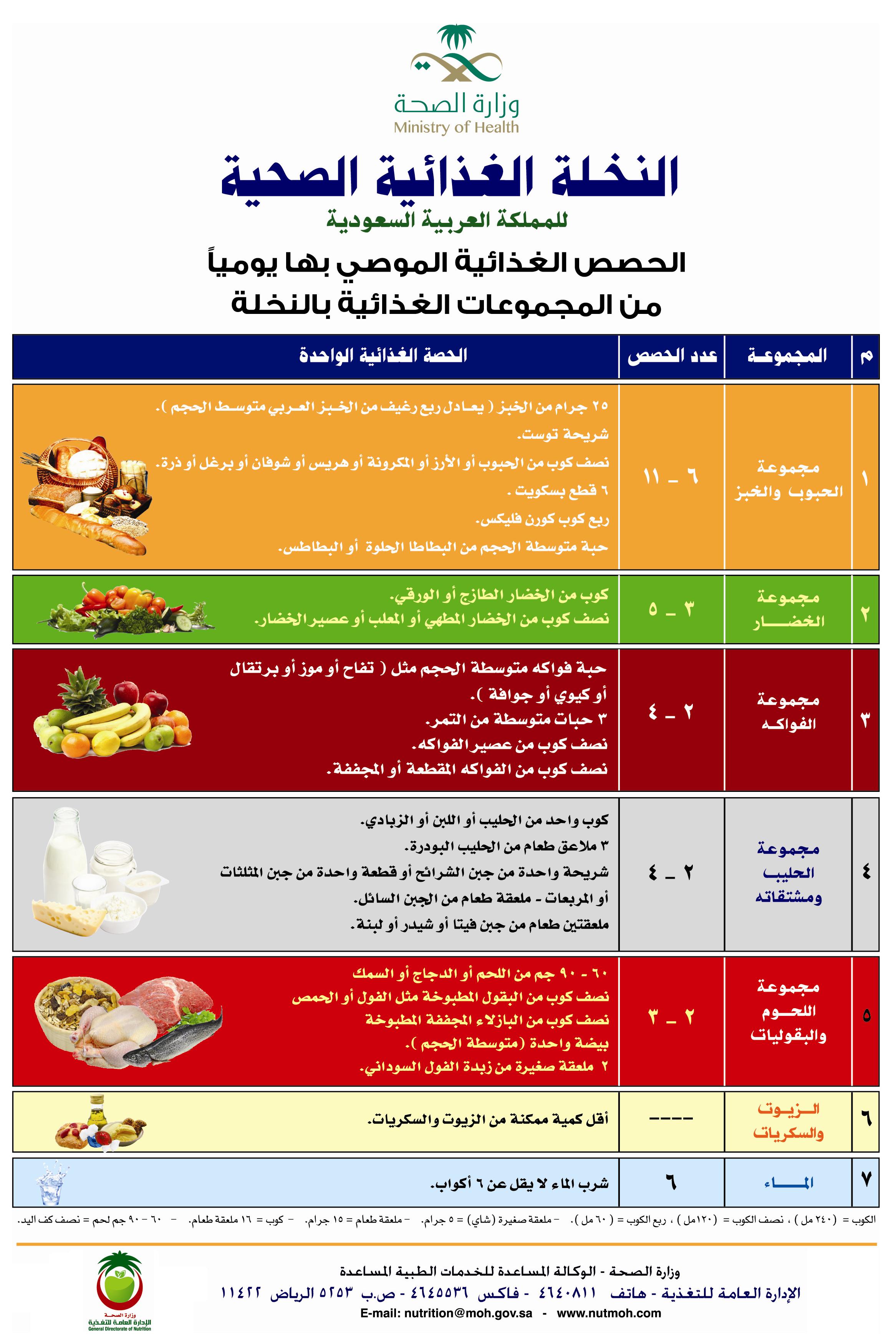
Saudi Arabia's Healthy Food Palm counts 60 to 90 g of meat, chicken or fish as one serving, about half the palm of your hand [5]. As roasted breast, that's about 19 to 28 g of protein (calculated).
Breast, thigh or with skin
| Roasted, per 100 g | kcal | Protein (g) | Fat (g) |
|---|---|---|---|
| Breast, no skin FDC | 165 | 31.0 | 3.6 |
| Breast with skin FDC | 197 | 29.8 | 7.8 |
| Thigh, no skin FDC | 179 | 24.8 | 8.2 |
USDA FoodData Central, SR Legacy [1]. The skin adds about 32 kcal and 4 g of fat per 100 g of breast; thigh meat has more than twice the fat of breast meat (calculated).
Don't wash it
Washing raw chicken doesn't make it safer. In a USDA test-kitchen study, 26% of people who washed raw poultry spread bacteria from it to their salad lettuce, and 60% had bacteria in the sink afterwards [3]. USDA adds: "Washing, rinsing, or brining meat and poultry in salt water, vinegar or lemon juice does not destroy bacteria" [3]. If there's something on the chicken you want off, pat it with a damp paper towel and wash your hands straight away [3].
Saudi Arabia's Food and Drug Authority gives the same advice: cooking kills the bacteria, while washing spreads them onto kitchen surfaces [4]. Cook chicken to 74 °C (165 °F) inside [3] [4]; without a thermometer, the SFDA says to cut into the thickest part and check it's cooked [4].
In Voltra
Search "chicken breast" in the Eat tab. Voltra's built-in entry is cooked breast, 165 kcal and 31 g of protein per 100 g from USDA, with a 150 g default serving, so weigh it after cooking, or convert a raw weight first. A photo scan estimates the food as served. Our high-protein foods list ranks chicken against fish, eggs, dairy and legumes.
Frequently asked
How much protein is in 100 g of chicken breast?
22.5 g raw and 31 g roasted, per USDA. The same piece keeps about the same protein; it just weighs less after cooking.
How much protein is in one chicken breast?
It depends on the size. A 200 g raw breast has about 45 g; USDA's 272 g raw piece has about 61 g.
Should I weigh chicken raw or cooked?
Either, as long as the entry matches: raw weight with raw values, cooked weight with cooked values.
Should I wash raw chicken?
No. USDA and Saudi Arabia's SFDA both advise against it: cooking kills the bacteria, washing spreads them.
Sources
- U.S. Department of Agriculture, Agricultural Research Service (2019). FoodData Central, SR Legacy: chicken, broiler or fryers, breast, skinless, boneless, meat only, raw (171077), and related chicken records. Also records 171477 (roasted), 171075 (roasted, with skin) and 172388 (thigh).
- Showell BA, Williams JR, Duvall M, Howe JC, Patterson KY, Roseland JM, Holden JM (2012). USDA Table of Cooking Yields for Meat and Poultry. USDA Agricultural Research Service, Nutrient Data Laboratory. Page 35: chicken breast, baked or roasted, 72% (61–82%); simmered, 77% (70–88%).
- U.S. Department of Agriculture (2019). Washing Raw Poultry: Our Science, Your Choice (press release 0125.19, 20 August 2019)
- الهيئة العامة للغذاء والدواء (٢٠٢١). لا تغسل الدجاج النيء. In Arabic. An infographic dated 24 October 2021.
- وزارة الصحة، المملكة العربية السعودية، الإدارة العامة للتغذية (٢٠١٢). جدول الحصص الغذائية (النخلة الغذائية الصحية). In Arabic. The Healthy Food Palm servings table.
Sources checked on 30 September 2026.
Log your food and training with Voltra. Free to download; the yearly plan starts with a 7-day free trial. Works fully in English and Arabic.