Voltra
Calories in a banana: by size, with protein and carbs
A medium banana (118 g peeled, about 18 to 20 cm long) has about 105 kcal and 27 g of carbohydrate (calculated) [1]. Per 100 g, banana has 89 kcal, 22.8 g of carbohydrate, 1.1 g of protein and 0.3 g of fat [1].
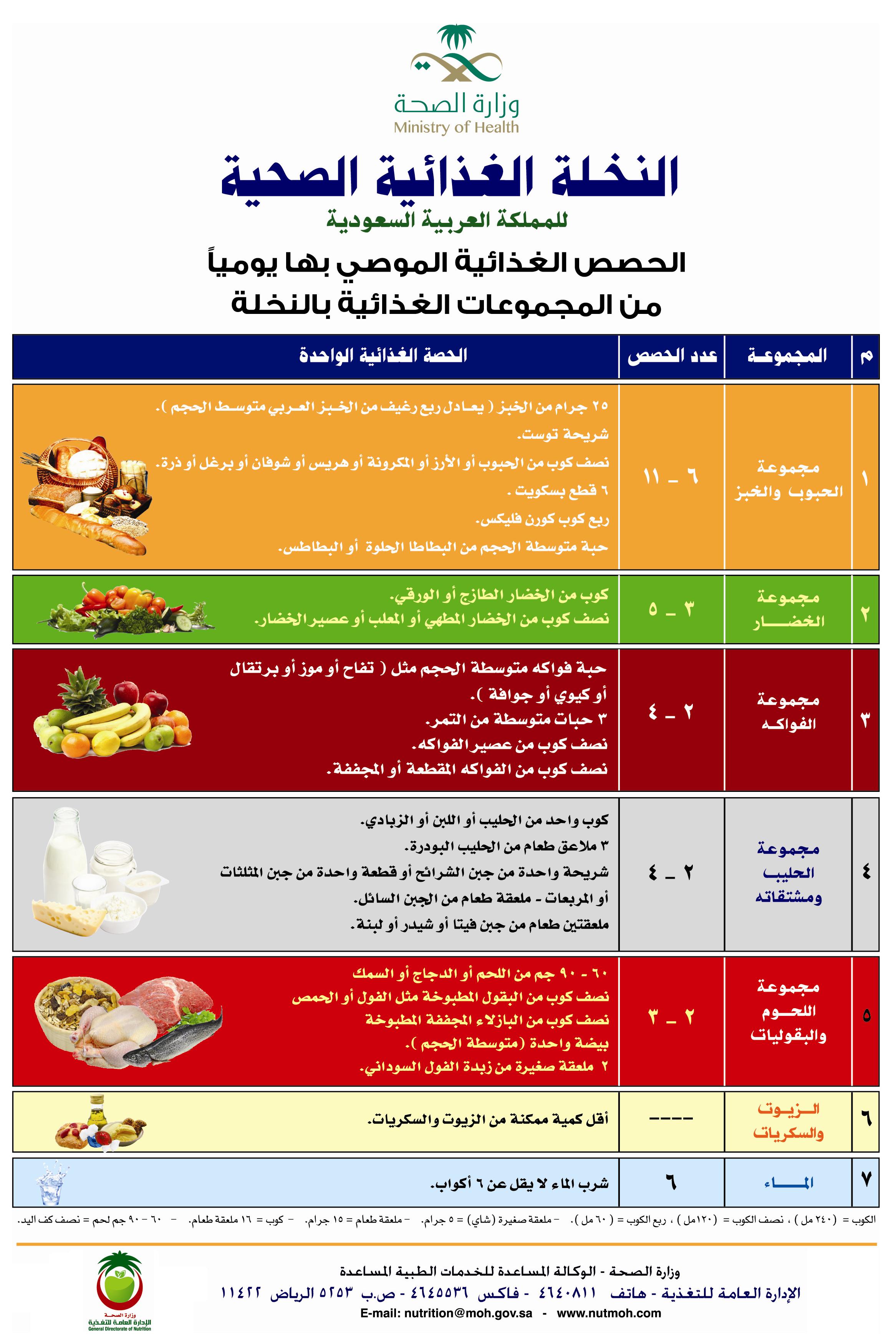
A small banana is about 90 kcal and a large one about 121 (calculated). Saudi Arabia's Healthy Food Palm counts a medium banana as one fruit serving [9].
Calories by size
| Banana | Peeled weight | kcal | Carbs |
|---|---|---|---|
| Extra small, under 15.2 cm | 81 g | 72 | 18.5 g |
| Small, 15.2 to 17.5 cm | 101 g | 90 | 23.1 g |
| Medium, 17.8 to 20 cm | 118 g | 105 | 27.0 g |
| Large, 20.3 to 22.5 cm | 136 g | 121 | 31.1 g |
| Extra large, 22.9 cm or longer | 152 g | 135 | 34.7 g |
| 1 cup, sliced | 150 g | 134 | 34.3 g |
| 1 cup, mashed | 225 g | 200 | 51.4 g |
Calculated from USDA's values per 100 g and its weight for each size [1]. The lengths are USDA's, converted from inches. USDA gives its weights "for edible material without refuse" [2], so they're for the peeled banana: weigh yours without the skin.
What's in a banana
| Banana, raw | Per 100 g | Medium, 118 g |
|---|---|---|
| Energy | 89 kcal | 105 kcal |
| Carbohydrate | 22.8 g | 27.0 g |
| of which sugars | 12.2 g | 14.4 g |
| of which starch | 5.4 g | 6.3 g |
| Fibre | 2.6 g | 3.1 g |
| Protein | 1.1 g | 1.3 g |
| Fat | 0.3 g | 0.4 g |
| Potassium | 358 mg | 422 mg |
USDA's "Bananas, raw" [1]. The medium column is calculated.
A banana is mostly carbohydrate and water: about 75 g of every 100 g is water [1]. With 1.3 g of protein, a medium banana adds little to a protein target; for that, see high-protein foods.
Green, ripe and overripe
As a banana ripens, its starch turns into sugar. In under-ripe bananas, starch makes up 80 to 90% of the carbohydrate [6]; in one study it fell from 37% of the banana's dry weight in the least ripe batch to 3% in the ripest [5]. USDA's newer lab analysis shows the same pattern [3][4]:
This analysis puts ripe bananas higher than the 89 kcal in the tables above, so compare these two rows with each other. USDA gives two energy figures for these entries; we show the one calculated the usual way (general Atwater factors).
Starch that isn't digested in the small intestine passes on to the colon. In people with an ileostomy, up to 90% of the starch they ate in banana came out undigested, and how much depended on how ripe the banana was [5].
Glycaemic index
The 2008 international tables give raw banana an average glycaemic index of 51, where glucose is 100, and the authors count 55 or less as low [7]. For comparison, white wheat bread averages 75 in the same tables.
Ripeness changes it. In a Danish study of 10 people with type 2 diabetes, under-ripe banana had a glycaemic index of 43 and over-ripe banana 74 [6].
Before or during training
We found no study that tested a banana eaten before training. The closest is a trial in 14 trained cyclists, who ate banana or drank a 6% carbohydrate sports drink during a 75 km time trial: 0.2 g of carbohydrate per kg of body weight every 15 minutes. Their times and blood sugar didn't differ: 2.41 hours with banana, 2.36 with the drink [8].
For a 70 kg rider, that dose is about half a medium banana every 15 minutes (calculated). The authors declare funding to their university from Dole, a fruit company, and two of them worked in Dole's nutrition research lab [8].
Bananas and weight loss
We found no trial that tested ripe bananas, eaten the usual way, for weight loss; the trials we found used green-banana products such as flour or starch. What we can give you is the numbers. A medium banana is about 105 kcal (calculated), and Saudi Arabia's Healthy Food Palm counts one medium fruit, such as an apple, a banana or an orange, as one serving, and recommends 2 to 4 fruit servings a day [9]. To see where that fits in your day, see how many calories you need.
How to log it in Voltra
- On the Eat tab, tap Search and type "banana", then pick Banana.
- Switch to Servings to log whole bananas (one serving is a medium banana, 118 g), or type the grams if you weighed it peeled.
- Tap Add to and your meal, for example Add to Snack.
Voltra's built-in banana uses USDA's newer figure for ripe bananas, so it reads a little higher than the 89 kcal per 100 g above. If the banana is part of a meal, tap Scan a meal and photograph the plate.
Frequently asked
How many calories are in a banana?
A medium banana (118 g peeled, about 18 to 20 cm long) has about 105 kcal. A small one (101 g) has about 90 and a large one (136 g) about 121 (calculated from USDA's 89 kcal per 100 g).
How many calories are in 100 g of banana?
About 89 kcal per 100 g of peeled raw banana, with 22.8 g of carbohydrate, 1.1 g of protein and 0.3 g of fat.
How much protein is in a banana?
Very little: about 1.3 g in a medium banana (calculated), against about 27 g of carbohydrate.
Does ripeness change a banana's calories?
A little. USDA's newer analysis lists 98 kcal per 100 g for ripe bananas and 85 for overripe ones. What changes most is the carbohydrate: as a banana ripens, its starch turns into sugar.
Are bananas good for weight loss?
We found no trial that tested ripe bananas for weight loss. A medium banana is about 105 kcal, and Saudi Arabia's Healthy Food Palm counts it as one of the 2 to 4 fruit servings it recommends a day.
Should I eat a banana before a workout?
We found no study of bananas eaten before training. In a trial with 14 trained cyclists, eating banana during a 75 km time trial gave the same times and blood sugar as a 6% sports drink.
What is the glycaemic index of a banana?
51 on average, which counts as low, in the 2008 international glycaemic index tables. In a small study, under-ripe bananas had a lower glycaemic index than over-ripe ones: 43 against 74.
Sources
- USDA FoodData Central. Bananas, raw (FDC 173944). SR Legacy entry, with USDA's weight for each size.
- USDA Agricultural Research Service (2008). Composition of Foods: USDA National Nutrient Database for Standard Reference, Release 21 (documentation). p. 19: "Weights are given for edible material without refuse".
- USDA FoodData Central. Bananas, ripe and slightly ripe, raw (FDC 1105314). Foundation Foods entry.
- USDA FoodData Central. Bananas, overripe, raw (FDC 1105073). Foundation Foods entry.
- Englyst HN, Cummings JH (1986). Digestion of the carbohydrates of banana (Musa paradisiaca sapientum) in the human small intestine. American Journal of Clinical Nutrition 44(1):42–50
- Hermansen K, Rasmussen O, Gregersen S, Larsen S (1992). Influence of ripeness of banana on the blood glucose and insulin response in type 2 diabetic subjects. Diabetic Medicine 9(8):739–743
- Atkinson FS, Foster-Powell K, Brand-Miller JC (2008). International tables of glycemic index and glycemic load values: 2008. Diabetes Care 31(12):2281–2283. Table 1.
- Nieman DC, Gillitt ND, Henson DA, et al. (2012). Bananas as an energy source during exercise: a metabolomics approach. PLoS One 7(5):e37479. The authors declare funding to their university from Dole Foods; two of them worked in Dole's nutrition research lab.
- Saudi Ministry of Health, General Directorate of Nutrition (2012). جدول الحصص الغذائية (النخلة الغذائية الصحية). In Arabic. The Healthy Food Palm servings table.
Sources checked on 6 October 2026. Values are rounded to one decimal place.
Log your food and training with Voltra. Free to download; the yearly plan starts with a 7-day free trial. Works fully in English and Arabic.